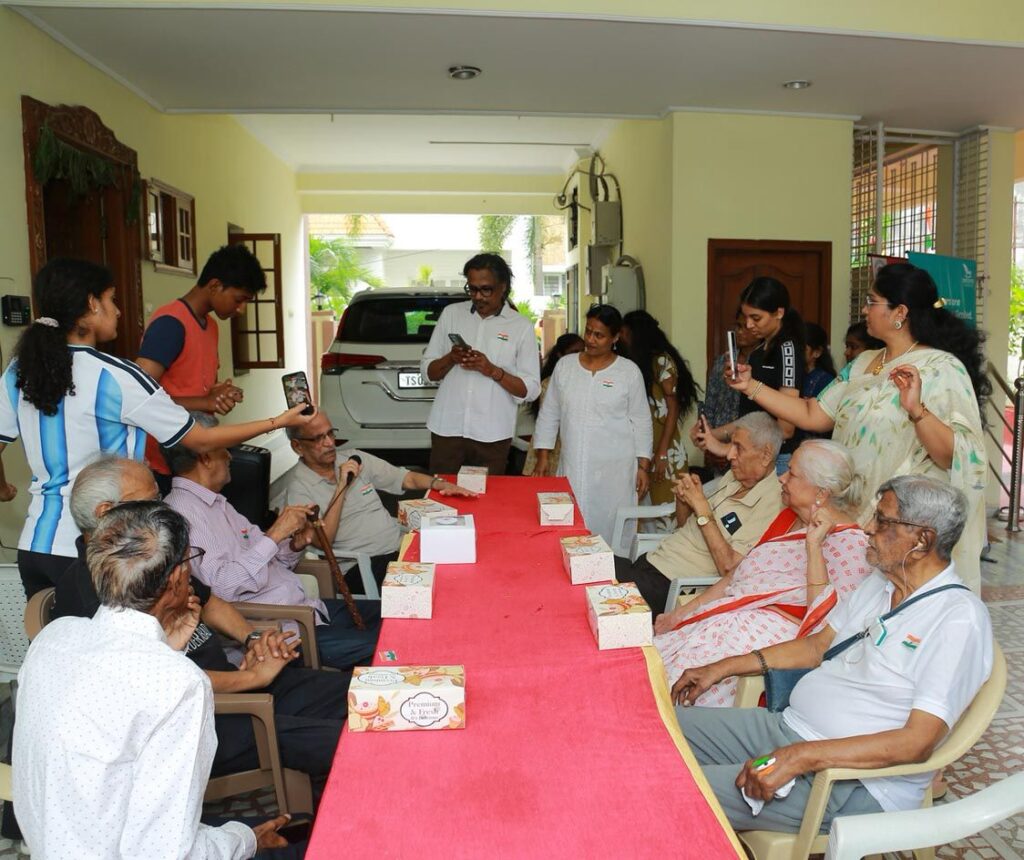
Memory can change naturally with age, but staying mentally, physically and socially active can support healthy cognitive function. The best activities are enjoyable, varied and challenging enough to keep the mind engaged without becoming frustrating.
For older adults, memory activities for seniors can range from puzzles and reading to music, social activities, learning new skills and physical exercise. The aim is not to “train” memory through one particular game, but to build habits that support overall brain health for seniors.
Why Are Memory Activities Important for Seniors?
Regular mental activity gives older adults opportunities to practise attention, recall, problem-solving and communication. Combining these activities with physical exercise, social interaction and adequate sleep can contribute to overall wellbeing.
Cognitive activities for seniors are particularly useful when they are meaningful and varied. An activity that involves learning, conversation or decision-making may be more engaging than repeatedly doing the same simple exercise.
8 Memory Activities for Seniors
1. Puzzles and Brain Games
Crosswords, Sudoku, word searches, matching games and jigsaw puzzles can encourage concentration and problem-solving.
These brain exercises for elderly adults can be adapted to different ability levels. Start with something manageable and gradually introduce more challenging puzzles.
2. Reading and Discussing Books
Reading provides mental stimulation while encouraging attention and comprehension. Make the activity more interactive by discussing the story afterwards.
Ask questions such as:
- What happened in the chapter?
- Which character did you like?
- What do you think will happen next?
Remembering details from something recently read makes this a useful form of mental exercise for elderly adults.
3. Music and Singing
Music can be a particularly enjoyable activity because familiar songs often encourage conversation and memories.
Listening to favourite songs, singing along, learning lyrics or playing an instrument can combine memory, attention and emotional engagement.
For older adults who have always enjoyed music, it can be a simple addition to regular senior wellness activities.
4. Learning Something New
Learning a new skill provides a greater challenge than simply repeating familiar activities.
Older adults could try:
- Learning a language
- Cooking a new recipe
- Gardening
- Painting
- Photography
- Using a new digital device
- Learning a musical instrument
The goal is to stay curious and give the brain something new to work with.
5. Memory Games Using Everyday Objects
Place several familiar objects on a table and give the participant a short time to look at them. Cover the objects and ask them to remember as many as possible.
This simple exercise can be adapted by increasing the number of objects or asking participants to remember where each item was placed.
6. Storytelling and Reminiscence
Talking about childhood, family experiences, travel, festivals or past achievements can encourage recall and conversation.
Looking through old photographs can make the activity even more engaging. Family members can ask open-ended questions rather than testing someone on specific details.
Reminiscence activities can also encourage meaningful social interaction, making them valuable activities for senior citizens beyond memory practice alone.
7. Physical Exercise
Brain health is not limited to mental exercises. Regular physical activity supports overall health and is an important part of healthy ageing.
Walking, stretching, dancing, yoga or suitable strength exercises can be incorporated into a senior’s routine according to their abilities and medical guidance.
A balanced approach combines physical activity, mental stimulation and social connection rather than relying on brain games alone.
8. Group Activities and Conversation
Regular conversations require people to listen, respond, remember information and follow a discussion. Group activities can therefore provide both cognitive and social stimulation.
Book clubs, gardening groups, board games, music sessions and community gatherings are practical ways to combine companionship with mental engagement.
Choosing the Right Activity
| Activity | Main benefit | Best for |
|---|---|---|
| Crosswords | Problem-solving and vocabulary | Independent practice |
| Reading | Attention and comprehension | Quiet activities |
| Music | Recall and engagement | Group or individual use |
| Learning a skill | New learning | Active learners |
| Storytelling | Recall and communication | Families and groups |
| Walking | Physical wellbeing | Daily routines |
| Board games | Memory and social interaction | Groups |
The most effective routine is one that an older adult actually enjoys. Memory improvement for older adults should not feel like homework. Activities can be changed regularly to maintain interest.
Creating a Daily Memory Routine
A simple routine might include 20 to 30 minutes of reading in the morning, a walk later in the day and a social or recreational activity in the evening.
For residents at Second Innings House, structured activities and opportunities for interaction can make mental stimulation part of everyday senior living rather than an occasional exercise.
It is also important to recognise that memory problems can sometimes indicate an underlying medical condition. New, significant or rapidly worsening memory changes should be discussed with a qualified healthcare professional rather than treated solely with games or exercises.
FAQ
1. What are the best memory activities for seniors?
The best activities are varied, enjoyable and appropriately challenging. Reading, puzzles, music, storytelling, learning new skills, board games, physical activity and social interaction can all provide useful mental stimulation. There is no single activity proven to prevent normal age-related cognitive decline, so a varied routine is generally more practical than relying on one type of brain game.
2. Can brain exercises improve memory in older adults?
Mental activities can provide cognitive stimulation and help practise skills such as attention, recall and problem-solving. However, they should not be presented as a guaranteed treatment for memory loss or dementia. For broader brain health, older adults benefit from combining mental activities with physical exercise, social engagement, adequate sleep and appropriate healthcare.
3. How often should seniors do mental exercises?
There is no single required schedule for every older adult. A regular routine is more useful than occasional intensive sessions. Short activities incorporated into everyday life can be easier to maintain. Reading, conversation, puzzles, music and learning can be rotated throughout the week so that mental stimulation remains varied and enjoyable.
4. Are social activities good for brain health?
Social activities can provide several forms of mental stimulation because conversation requires listening, recalling information, responding and following a discussion. Group activities also provide companionship, which is an important part of overall wellbeing. Senior communities can make regular social interaction easier through shared meals, games, hobby sessions, outings and group discussions.
5. What activities can seniors with limited mobility do?
Older adults with limited mobility can still participate in many cognitive activities. Reading, music, storytelling, puzzles, drawing, board games, crafts and learning activities can all be adapted for seated participation. Activities should be matched to the individual’s abilities and comfort level, with appropriate assistance when necessary.
6. When should memory problems be discussed with a doctor?
Occasional forgetfulness can occur with normal ageing, but persistent or worsening memory problems deserve professional attention. Seek medical advice if memory changes interfere with everyday activities, cause confusion, affect safety or represent a noticeable change from the person’s usual behaviour. Memory exercises should complement appropriate healthcare, not replace medical evaluation.